
Home
We’re curious about your code.
Code Studio works on plans and codes that shape distinctive, resilient communities.
We help our clients:
Think boldly about options and unlock the potential of local plans.
At Code Studio, we approach planning and code development through collaboration and a strong understanding of the local context. By engaging directly with communities, we identify opportunities that reflect their character and priorities. This helps ensure that policies and tools function not just as regulations, but as practical strategies for guiding thoughtful growth and change.
We work to align planning tools with community goals, strengthening local plans and supporting the creation of resilient, livable, and vibrant places.
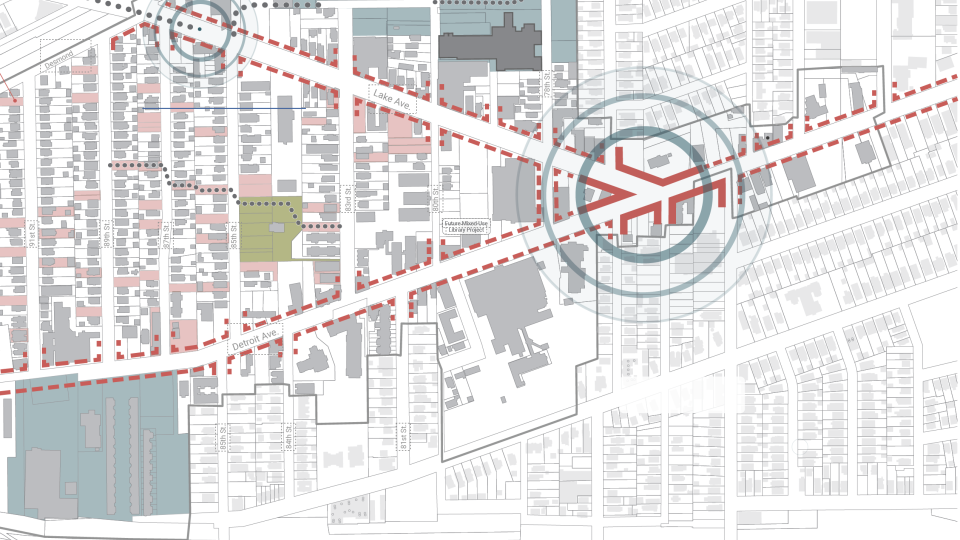
We have worked in cities across the U.S.—from large metros to mid-sized communities—to modernize zoning codes in a way that balances tradition with transformation.
Design in dialogue to fulfill community needs and aspirations.
Creating plans and codes that genuinely serve a community starts with understanding its unique character and listening to the people who live there. Effective regulations must be clear, meaningful, and aligned with local goals. We believe in meeting people where they live, in settings that are comfortable for them. Our team has a strong history of supporting communities through thoughtful neighborhood engagement.
Committed to incremental progress, we focus on inclusive engagement in every project we undertake.
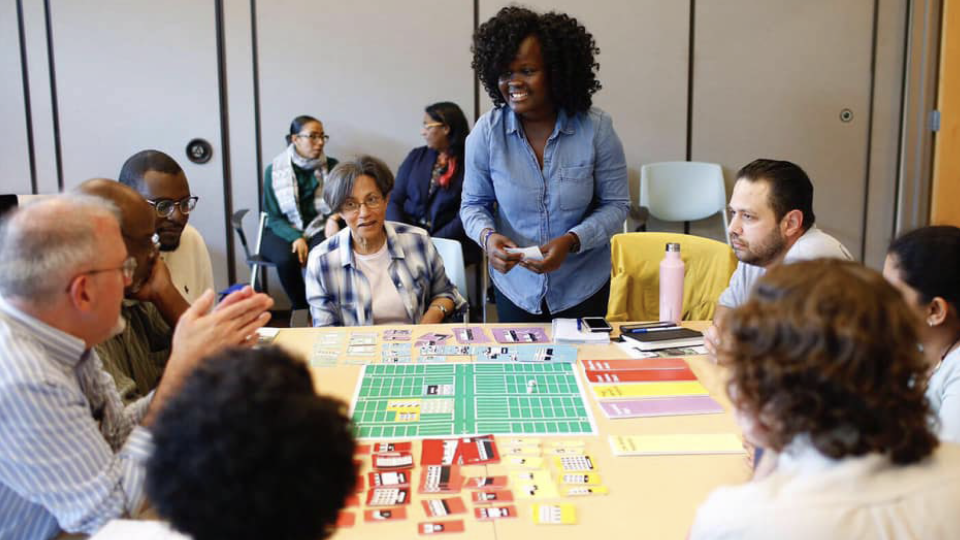
At Code Studio, we understand that zoning reform requires thoughtful engagement, clear communication, and an ability to navigate complex local dynamics.
Create greater certainty about outcomes and ease neighborhood infill.
Code Studio has led planning and code projects that support creative infill, incremental redevelopment, and broader transformational change. We know that introducing change can be challenging, which is why our process emphasizes clarity, usability, and predictability. The plans and codes we craft are designed to give communities confidence in the outcomes they support.
By focusing on tools that match local needs and scale appropriately, we help make neighborhood infill more approachable, aligned with community goals, and easier to implement.
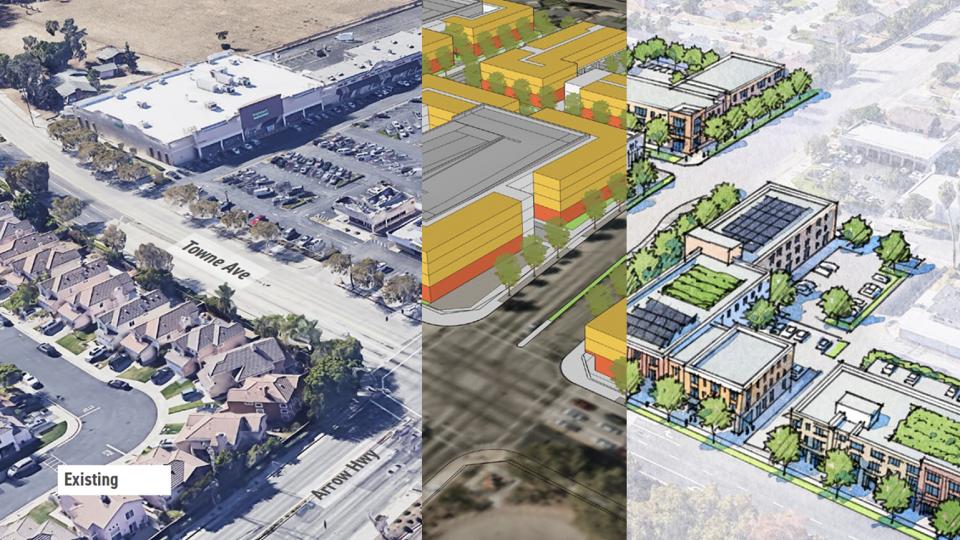
The right zoning code can foster new housing options without displacement, support small businesses, improve neighborhood character, and make growth more sustainable and inclusive.
Streamline the approvals process and improve regulatory enforcement.
Our approach translates planning and design concepts into clear regulatory language that brings a community’s vision to life. We understand that adopting a new code is only the beginning; successful implementation depends on how well it works in practice. That’s why we focus on creating codes that are easy to understand, simple to administer, and aligned with existing legal frameworks.
By reducing ambiguity and improving clarity, we help streamline the approvals process and support consistent, effective enforcement by local staff.
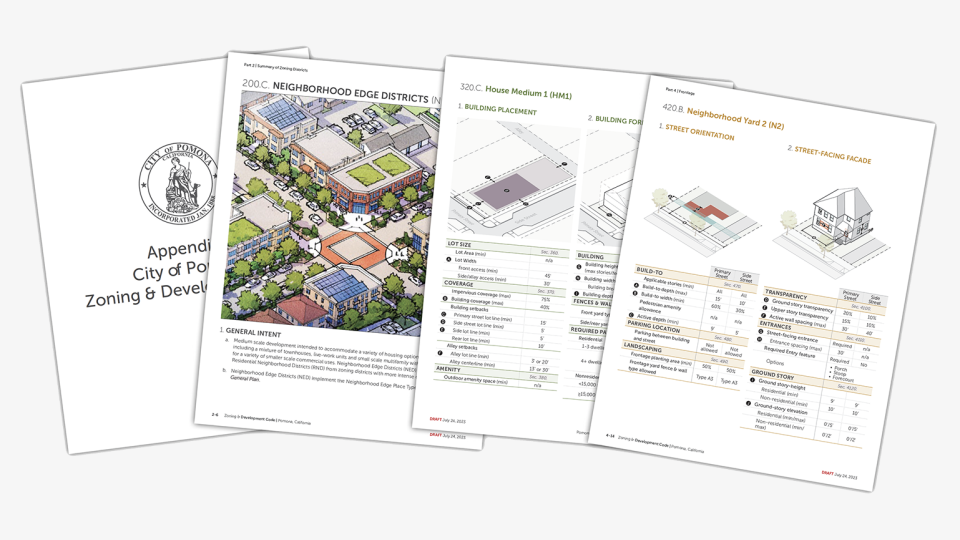
For zoning to be effective, the review process must be efficient, and the planning and development goals must be embedded in the review process.
Inside Our Process
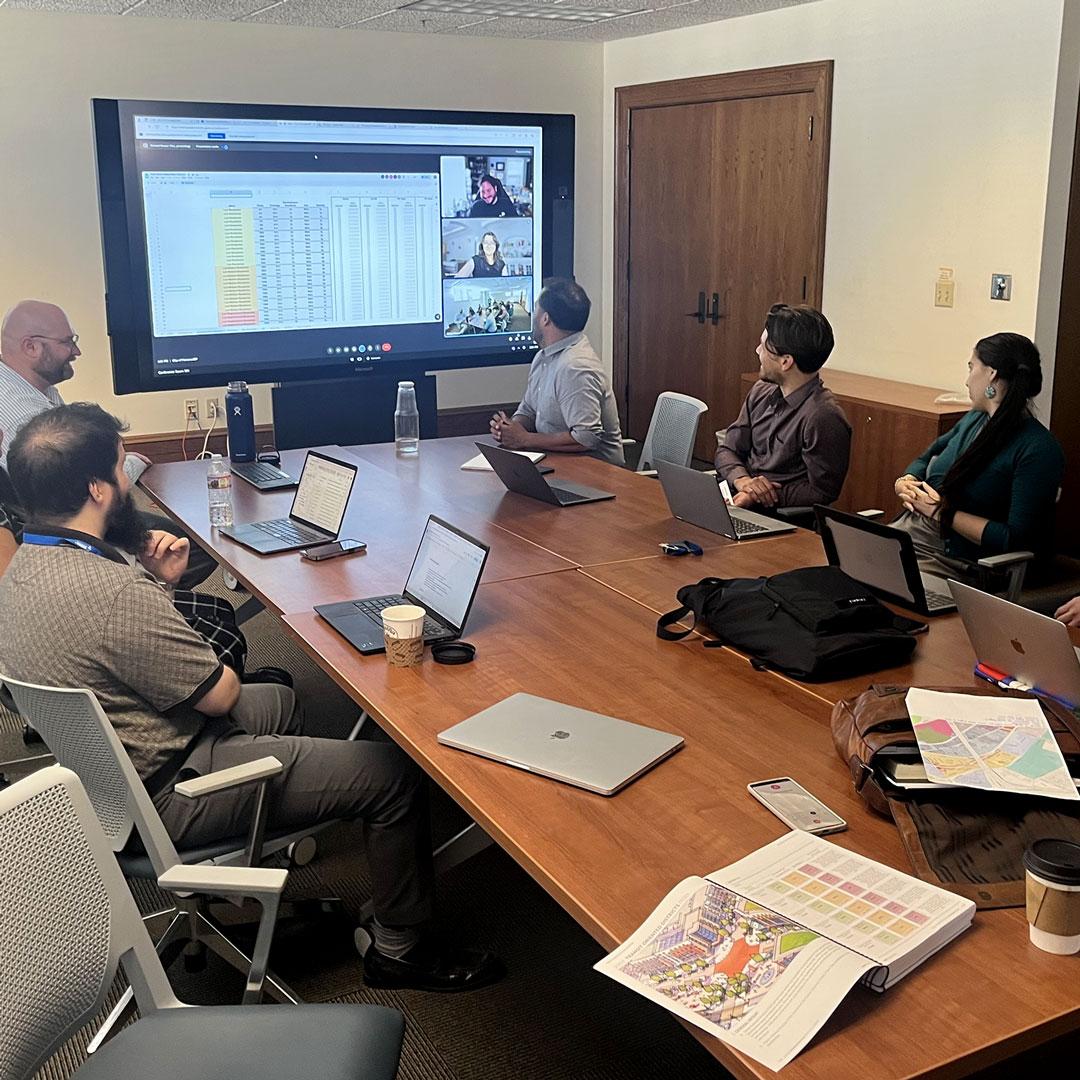
Project Management and Administration.
We typically schedule standing meetings with the core project team to track progress, meet key milestones, and discuss policy decisions as they arise. This step occurs as ongoing project management throughout the process. It also typically begins with a site visit to kick off the project, and additional visits as needed to support collaboration, engagement, and on-the-ground understanding.
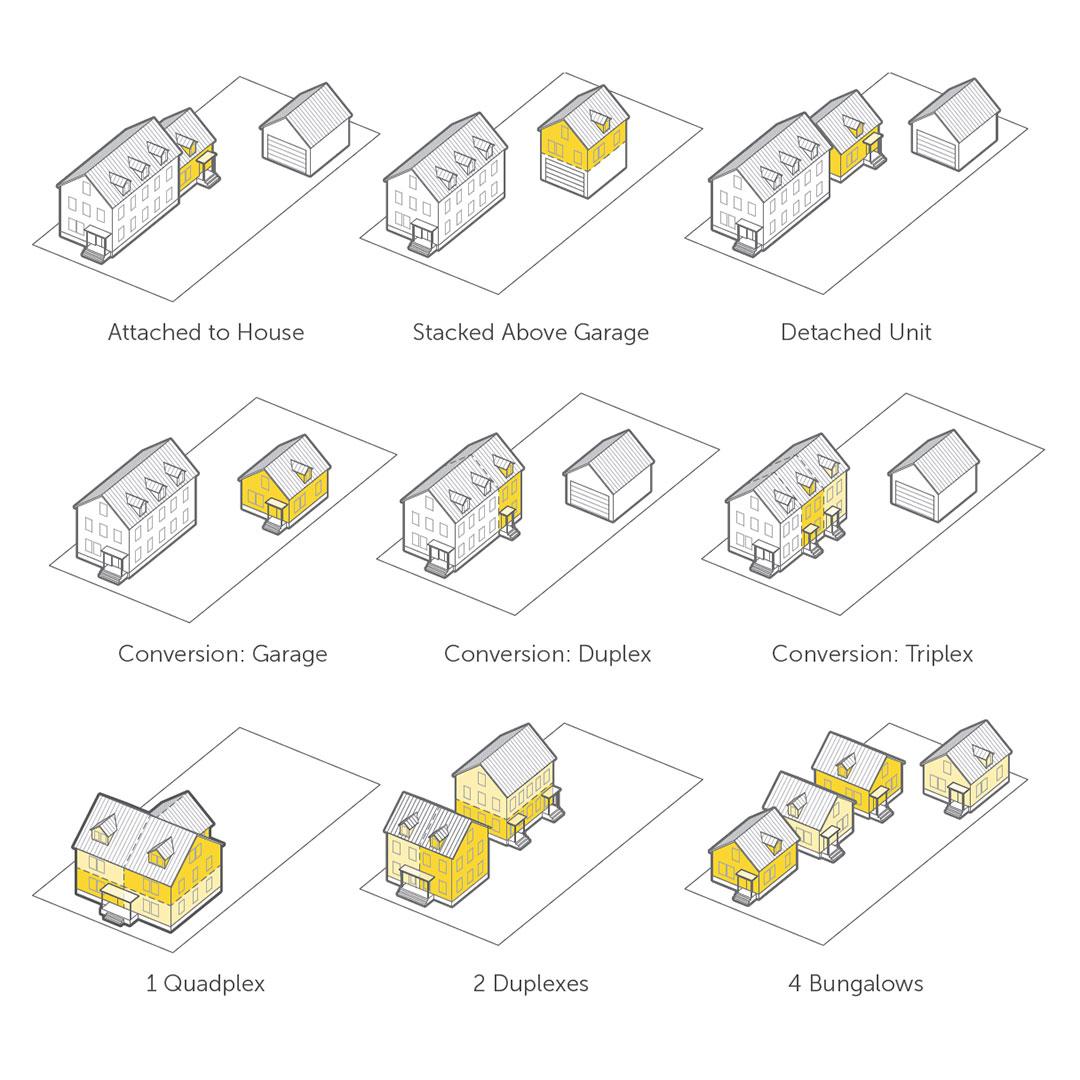
Zoning Review and Diagnostic.
We typically start our process with a comprehensive review of the existing zoning code and map, including the history of local land use regulations. We document relevant concepts from local plans and master plans to ground future recommendations. This approach ensures that the initial code framework responds to real conditions and community context. A clear diagnostic helps identify gaps, align regulations with community goals, and lay the foundation for policy alternatives and an effective, enforceable zoning strategy.
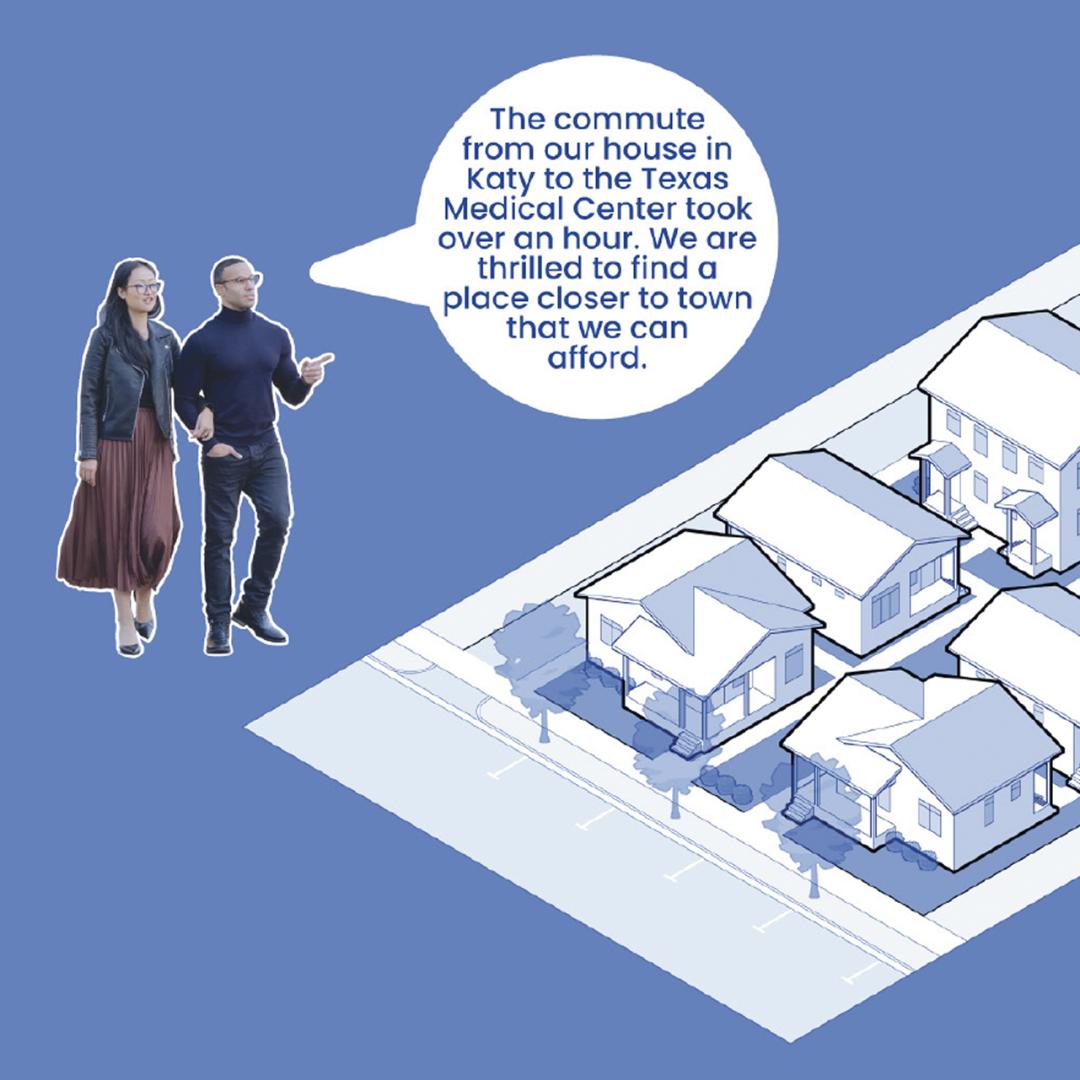
Engagement and Communications.
We prioritize meaningful engagement throughout the planning and coding process. Site visits, stakeholder interviews, and community meetings ensure that local context and community values are fully understood. Our process is iterative, with regular check-ins and opportunities for feedback as code drafts are developed. This approach builds trust, encourages collaboration, and helps stakeholders see how their input is shaping the outcome.
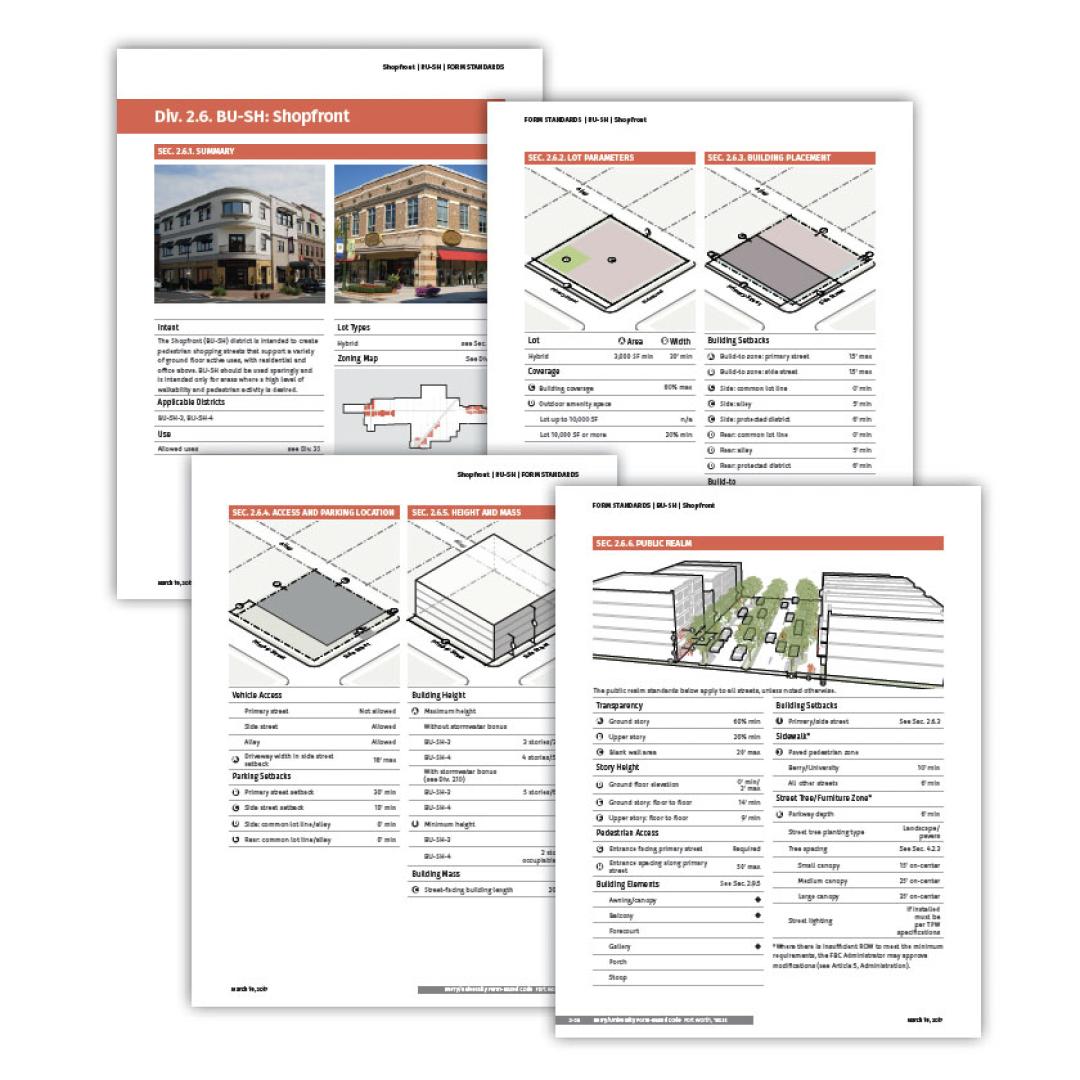
Code Drafting.
Drafting is typically completed in stages, allowing for feedback from staff, stakeholders, and the community as the document is created. Each round of input helps shape the final draft version and informs the development of remaining modules. We work closely with local staff to ensure the zoning map is updated accurately and that the draft code reflects the municipality’s current thinking, adopted plans, and other relevant guidance documents.
Final Code and Map.
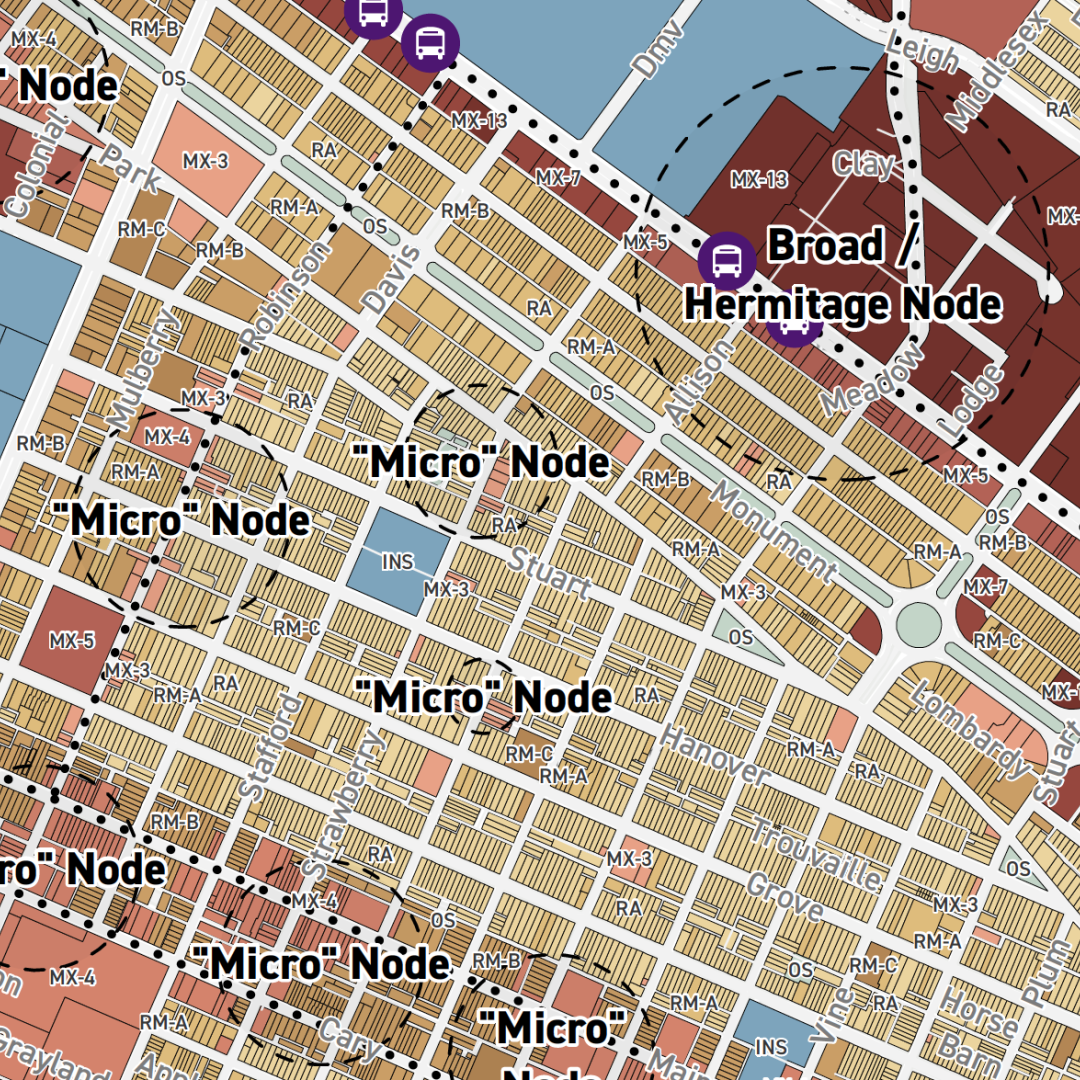
The final code and map are clear, accessible, highly-graphic documents, shaped by input from staff and the community. Legal review, code testing, and public feedback help ensure the quality and usability of the product. Our codes focus on building form, street design, and public space—encouraging walkability, mixed use, and a built environment that reflects community goals. The result is a forward-thinking, implementable code that supports the short- and long-term community vision.
Adoption Support.
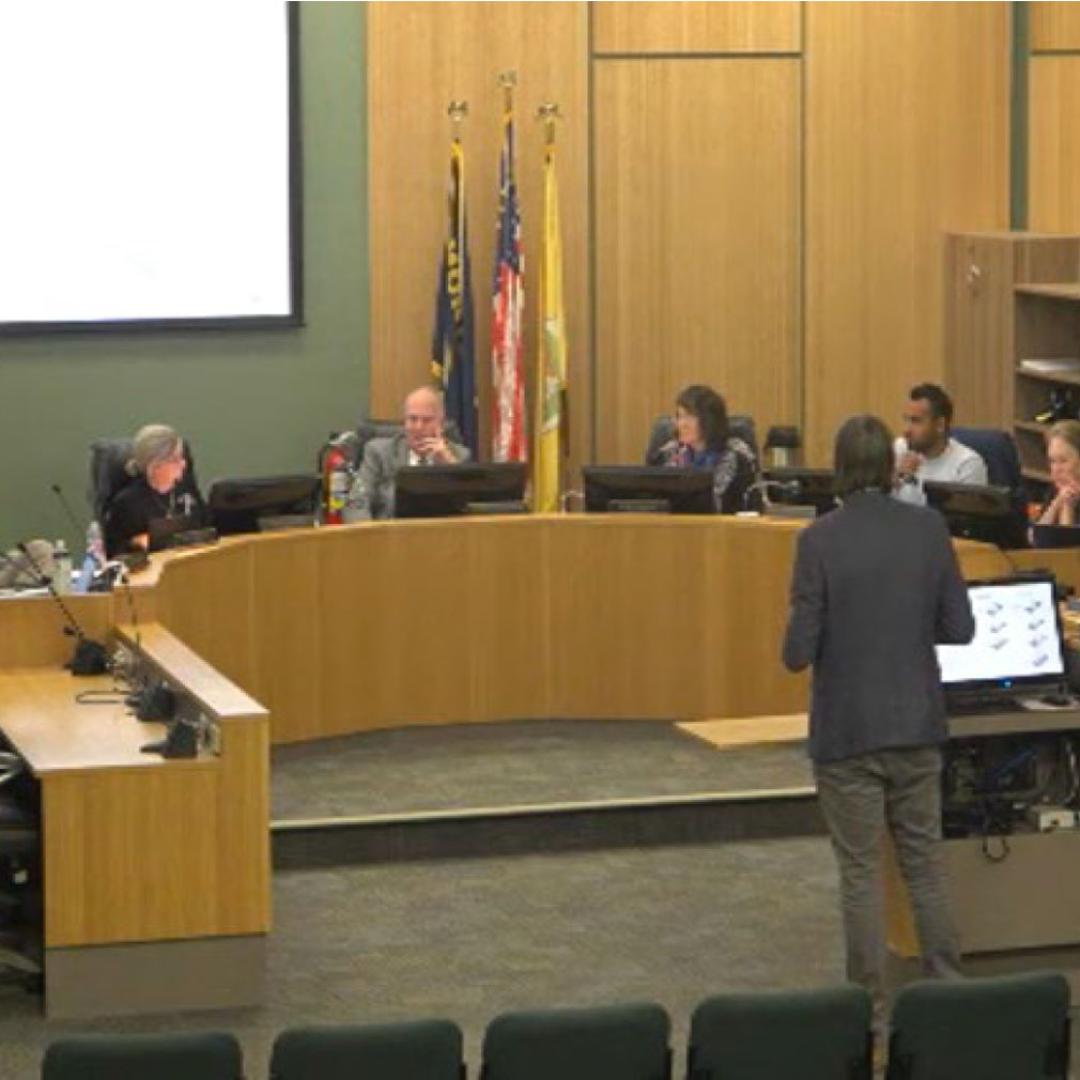
Code Studio focuses on guiding the public adoption process, including required hearings for the plan or code. Code Studio typically presents at Planning or Zoning Board hearings and City Council meetings. After adoption, we provide a final version of the zoning code that incorporates any revisions made during the approval process.
Usability, Tools, and Training.
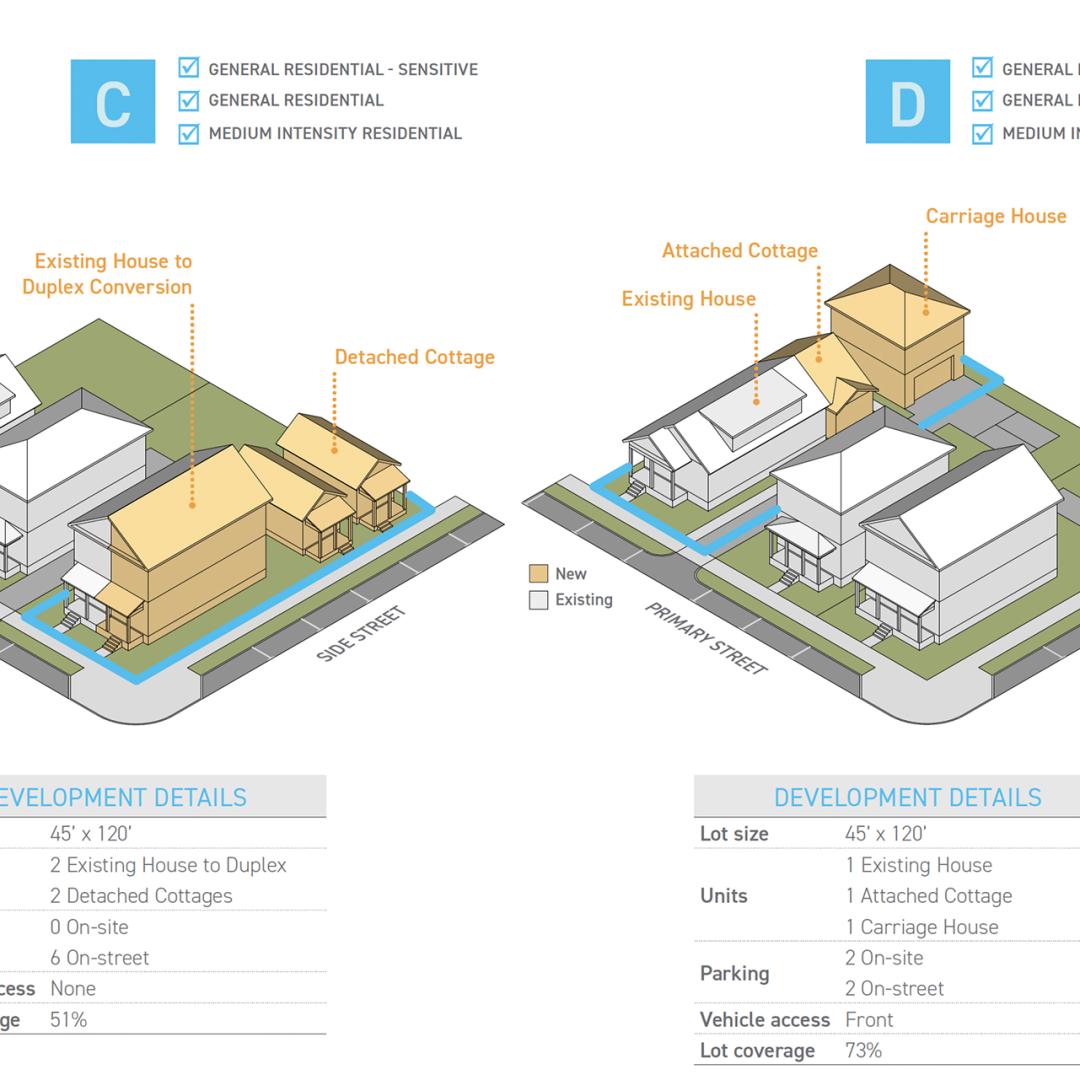
We deliver clear, user-friendly documents and provide training to help staff and the development community understand new elements of the code and zoning map. Sessions are often recorded for future use. Innovative techniques, such as real-life code testing, help ensure that staff, developers, and designers can confidently interpret and apply the code in the real world.
Experience
Current Projects
Atlanta, Georgia
- Zoning Ordinance Rewrite
Chapel Hill, North Carolina
- Land Use Management Ordinance Update
Detroit, Michigan
- Zoning Code Update
Dunwoody, Georgia
- Unified Development Ordinance Update
Durham, North Carolina
Fargo, North Dakota
- Land Development Code
Los Angeles, California
North Charleston, South Carolina
- Unified Development Code
Palm Springs, California
- Zoning Code Update
Pike Road, Alabama
- Unified Development Code
Pomona, California
- Complete Street Ordinance
Richmond, Virginia
Saugeen Shores, Ontario, Canada
- Nodes and Corridor Study
St. Louis, Missouri
- Zoning Code Overhaul
Awards and Milestones
Merit Award for Analysis, Planning and Design: Potomac ASLA
Sandy Springs Development Code – Sandy Springs, GA
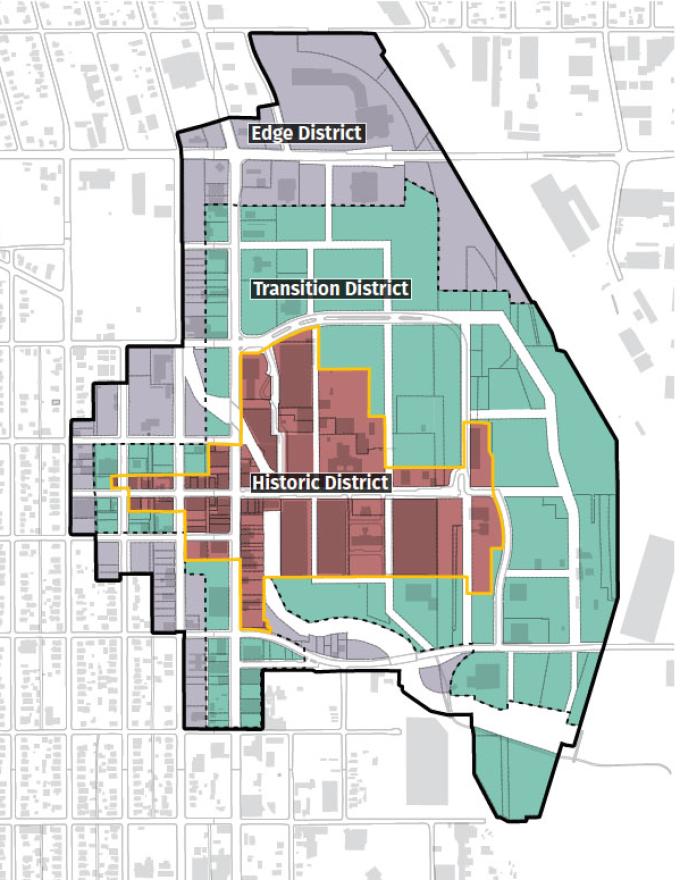
Celebrating Leadership in Development Excellence Award (CLIDE)
Stockyards Form-Based Code – Fort Worth, TX
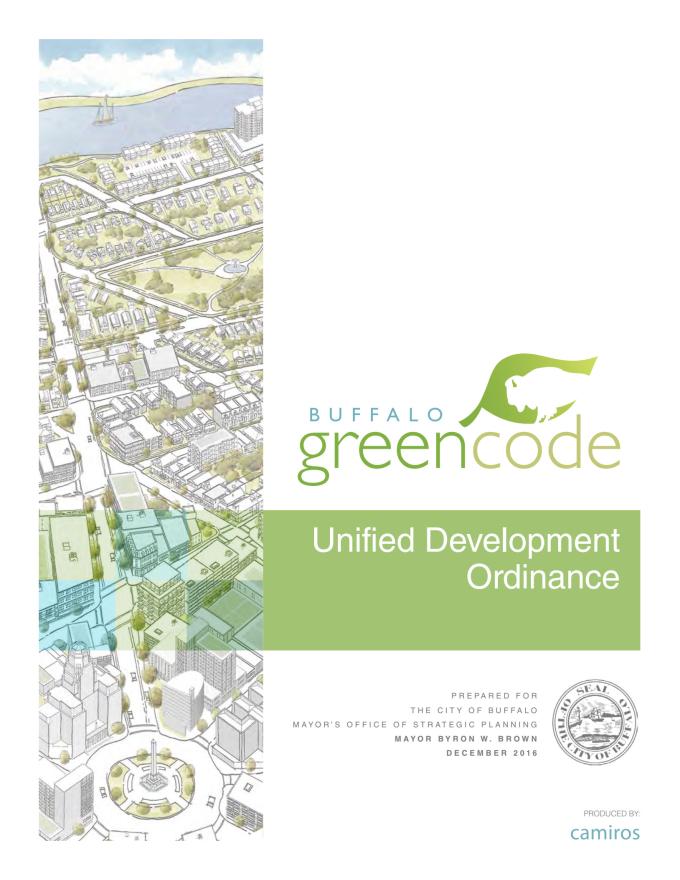
Driehaus Form-Based Code Award
Buffalo Green Code Code – Buffalo, NY
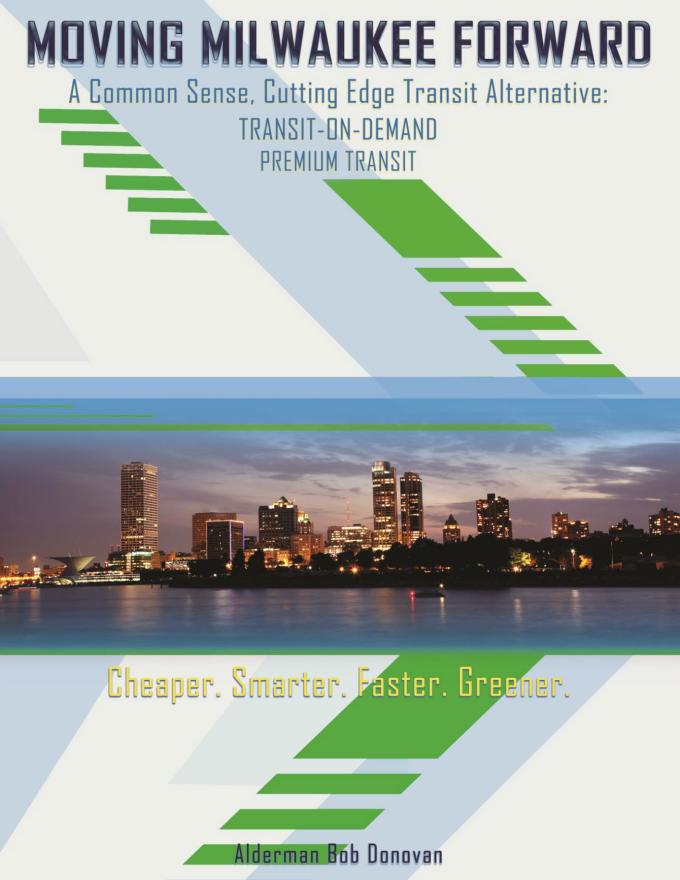
Wisconsin APA
Moving Milwaukee Forward: Equitable Growth Through Transit Oriented Development – Milwaukee, WI
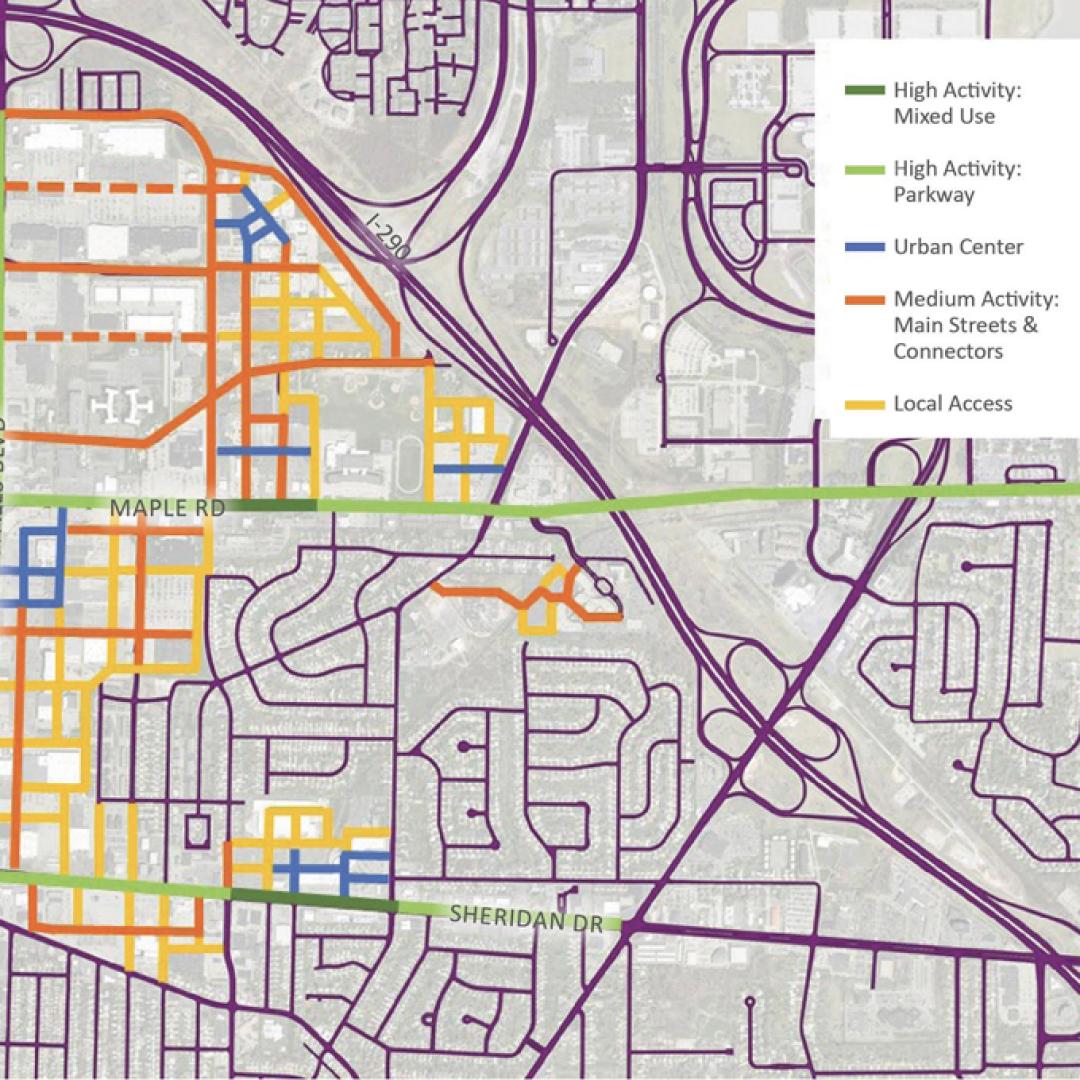
Western New York APA – Outstanding Planning Award
Boulevard Central District Planning – Amherst, NY
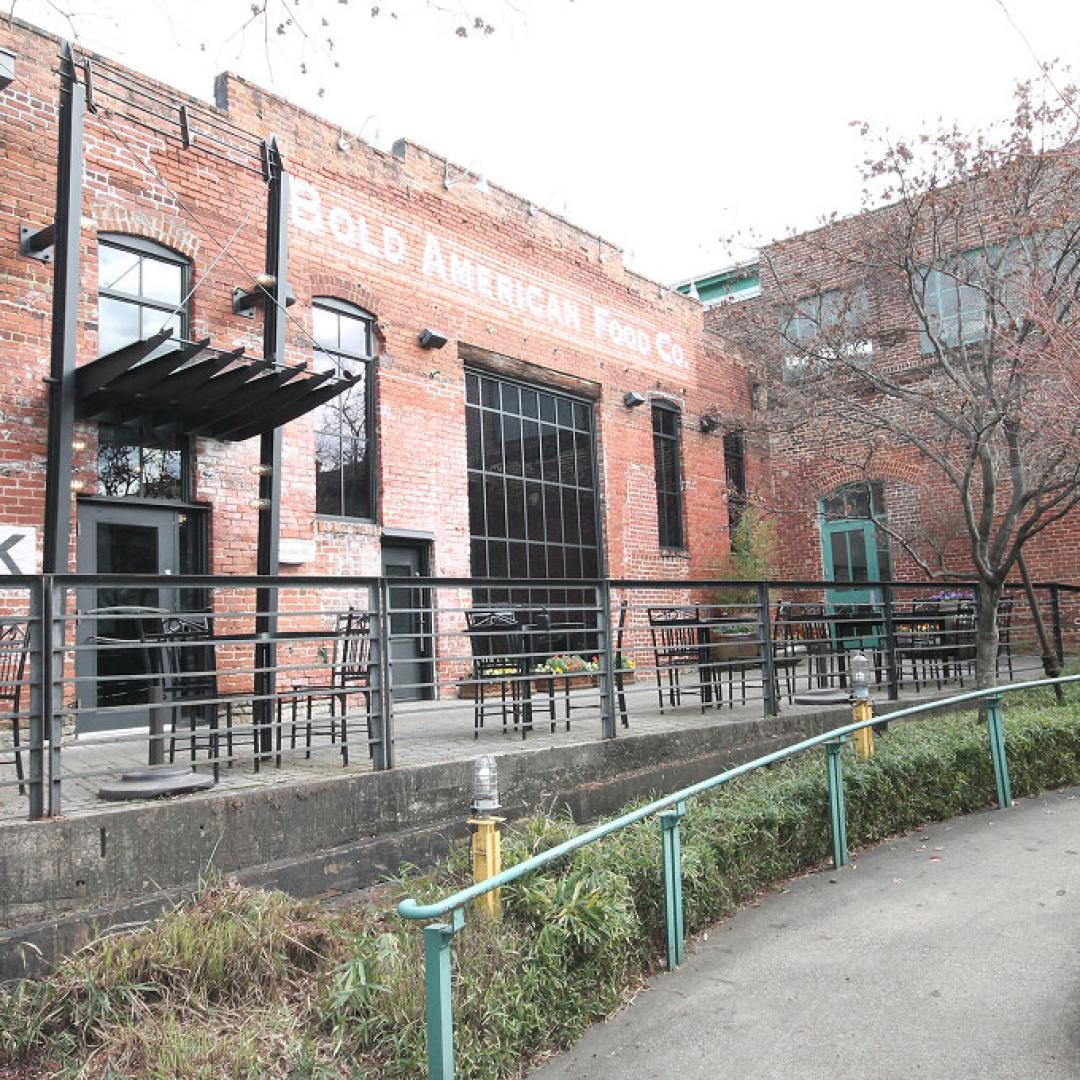
Code Studio opens Atlanta office led by Associate Principal Christy Dodson.
Code Studio celebrates its 20th Anniversary.