Code Studio served as lead drafter and principal architect of Los Angeles’ comprehensive zoning code rewrite, a multi-year effort to replace one of the nation’s most complex and outdated ordinances. Known as Re:Code LA, the initiative modernizes a mid-20th-century code into a streamlined, modular framework aligned with the City’s General Plan and community plans.
The Challenge
Los Angeles’ legacy zoning ordinance—largely rooted in 1946 regulations—had grown into a highly layered system of overlays, exceptions, and negotiated entitlements. The code was difficult to navigate, inconsistent across community plans, and misaligned with contemporary housing, transit, and sustainability goals. The City required a scalable, citywide regulatory framework capable of accommodating growth while reinforcing neighborhood context and improving administrative clarity.
Code Studio Approach
- Modular Code Architecture: Organization of regulations into clear, consistent modules (zones, development standards, overlays, procedures), allowing phased adoption and long-term adaptability.
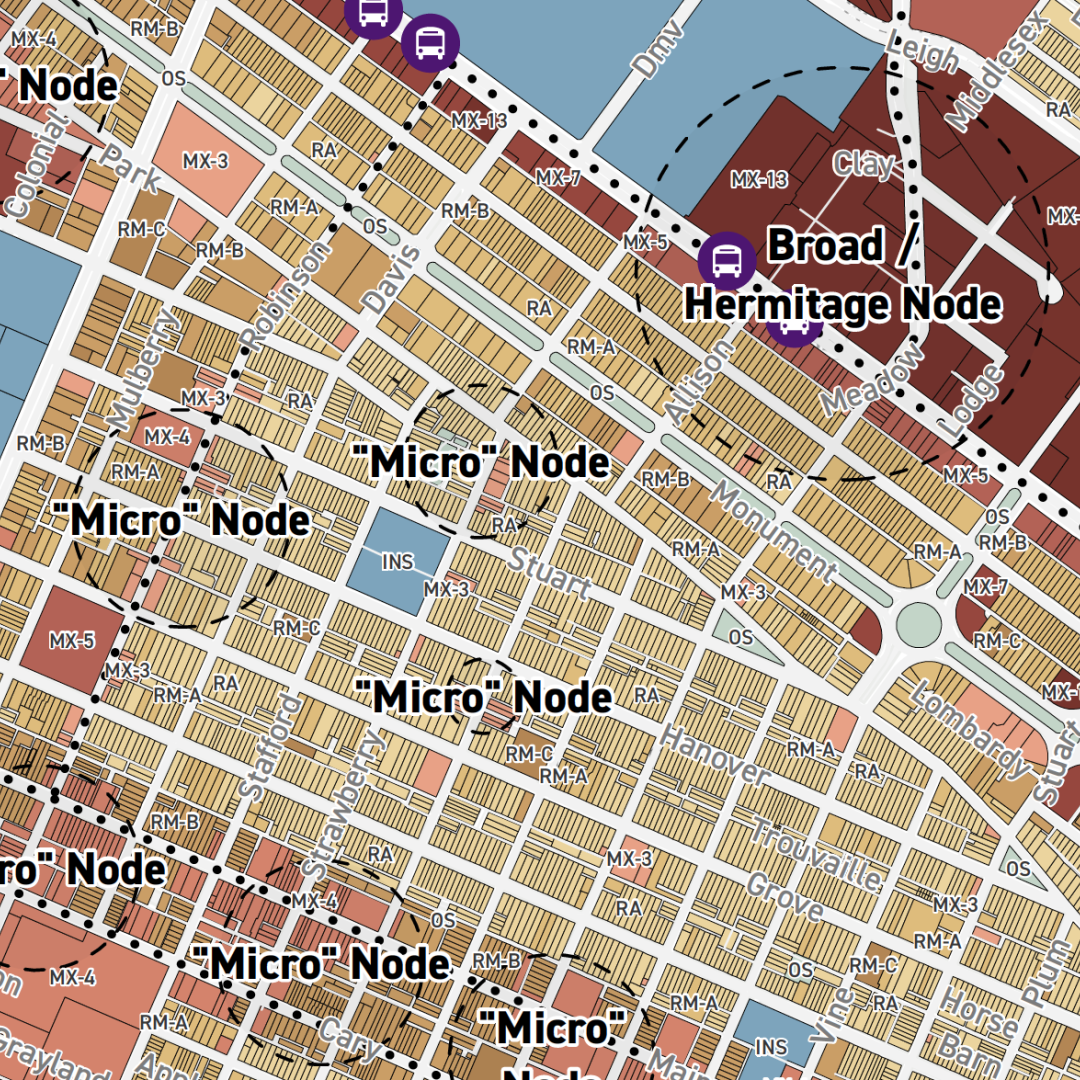
- Context-Based Zone Districts: Replacement of antiquated density-based categories with districts calibrated to building form, frontage, and neighborhood typology.
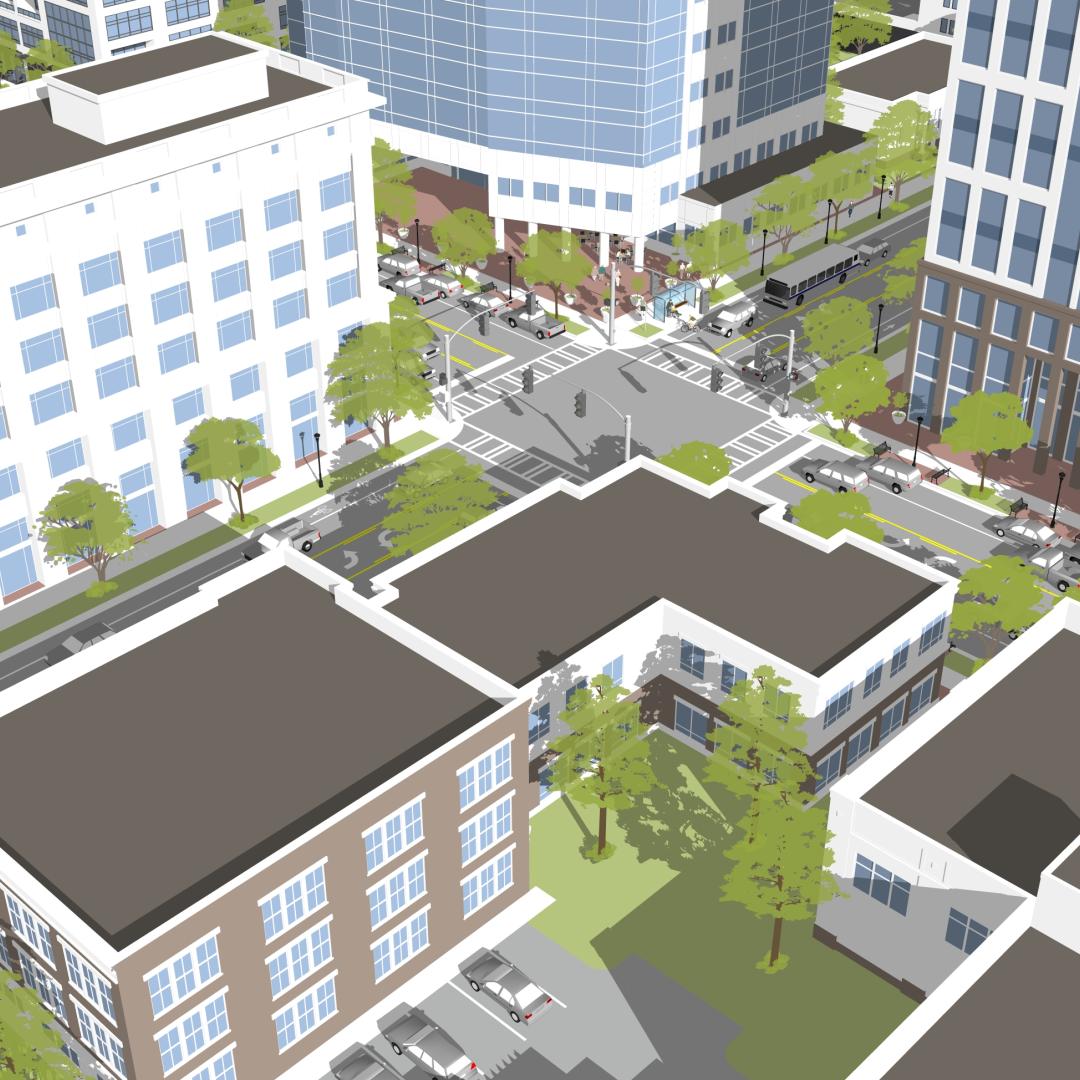
- Form & Design Standards: Emphasis on predictable building envelope controls—height, massing, placement, and frontage—reducing reliance on discretionary review.
- Community Plan Integration: Structure designed to align directly with updated community plans, enabling localized calibration within a unified citywide framework.
- Simplified Use Regulations: Consolidation of use categories and modernization of definitions to reflect contemporary land use patterns.
- Graphic & User-Oriented Format: Clear tables, diagrams, and cross-references intended to improve usability for staff, applicants, and the public.
Impact
Re:Code LA establishes the regulatory foundation for managing growth in one of the nation’s largest and most complex cities. By shifting toward context-sensitive standards and modular code structure, the effort creates a clearer, more implementable system capable of guiding community plan updates, housing production, and corridor reinvestment for decades to come.